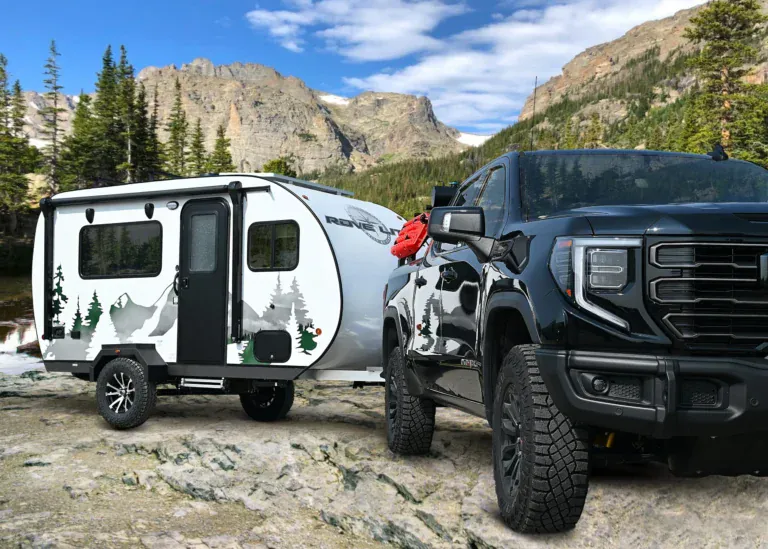
Best Campervan Rentals for Families: 2026 Fleet & Engineering Guide
The modern landscape of towable RV design has entered an era of profound specialization. As consumers demand higher operational independence, lighter structural configurations, and longer asset lifecycles, the traditional manufacturing templates of the mid-twentieth century no longer suffice. For many years, choice in this sector was constrained by heavy steel frames, wood-stud walls prone to rot, and rudimentary electrical systems that bound the traveler inexorably to shore power. Today, a convergence of advanced metallurgy, composite material science, and high-density energy storage has transformed the space. Evaluating these assets requires a comprehensive grasp of structural engineering, thermodynamic balancing, and fluid logistics.
Selecting an optimized towable asset involves a complex matrix of engineering realities rather than a simple consideration of floor plans or luxury aesthetics. Planners must match static chassis ratings with real-world tow vehicle dynamics, assess aerodynamic drag coefficients, and calculate precise weight distributions. A casual weekend user seeking comfort in a developed state park operates under entirely different constraints than an overland expedition team tracking remote desert corridors for months at a time. The real success of a long-term deployment does not depend on polished interior cabinetry or smart-home touchscreens, but on the cold realities of weld integrity, thermal insulation properties, and chassis balance.
This analysis deconstructs the structural, financial, and mechanical realities that define the contemporary travel trailer ecosystem. We break down the engineering frameworks, materials science paradigms, and systemic vulnerabilities that govern towable performance. This guide serves as an analytical reference for overland strategists, logistics fleet managers, and long-term expedition planners. It provides the frameworks necessary to analyze structural value, mitigate transaction risks, and maximize operational resilience over thousands of miles on the road. By dismantling promotional narratives, we isolate the specific design realities that determine whether a towable asset serves as a durable mobile habitat or becomes a compounding operational liability.
Understanding “best travel trailer options”
The phrase “best travel trailer options” is routinely oversimplified in mainstream consumer review channels. Most consumer journalism isolates superficial metrics, focusing almost entirely on initial interior styling, total mattress count, or standard retail price points. This narrow view fails because it ignores the deeper operational realities of the asset over its actual service life.
At its fundamental core, evaluating the best travel trailer options requires an understanding of a multi-sided engineering contract. A towable trailer is a dynamic structure subjected to constant seismic forces while traveling at highway speeds. When an asset is placed in motion, its frame, suspension, and walls absorb continuous multi-axial vibrations. The best travel trailer options manage these forces through robust structural designs. They feature high-grade materials, fully integrated chassis crossmembers, and clear paths for dissipation of stress.
To analyze these assets objectively, planners must look past dealership marketing and evaluate several critical variables:
-
Chassis and Frame Convergence: The specific design choices separating stamped, bolt-together steel frames from fully boxed, powder-coated or galvanized structures that run the full length of the box.
-
Wall Assembly Material Science: The engineering differences between traditional wood or aluminum framing filled with fiberglass batts and advanced vacuum-bonded composite panels utilizing closed-cell foam and composite backers like Azdel.
-
Suspension and Hub Geometries: The operational trade-offs between cheap leaf-spring axles with standard nylon bushings and independent rubber torsion or trailing-arm suspension systems equipped with shock absorbers.
-
Thermal Envelope Parameters: The verifiable R-values and insulation strategies used in the floor, roof, and underbelly, with specific attention paid to how the design prevents thermal bridging.
Failing to understand these engineering choices leaves a buyer highly vulnerable to rapid asset depreciation and catastrophic component failure. For example, many buyers assume that a trailer marketed as “four-season” can handle sustained sub-freezing temperatures without modification. In reality, many of these models lack adequate tank heating pads, insulated valves, or sealed underbellies. Consequently, owners can face frozen fresh-water lines, ruptured black and gray holding tanks, and severe interior condensation that ruins wall assemblies and breeds mold.
The Systemic Evolution of Towable Engineering
The travel trailer market originated as an offshoot of early automotive customization and carriage building. In the early twentieth century, travelers built custom wooden structures on top of standard car frames. These early designs lacked aerodynamic testing, structural reinforcement, or integrated braking systems. They relied on simple wood joinery, heavy canvas coverings, and mechanical connections that put immense strain on early automobile drivetrains. This model was highly fragmented, keeping entry barriers high and limiting long-distance travel to those with extensive mechanical skills.
The mid-1930s brought a major shift with the introduction of monocoque and semi-monocoque aircraft engineering principles to the towable sector. Manufacturers began using riveted aluminum hulls that distributed structural loads across the skin of the trailer rather than relying entirely on a heavy underlying frame. This development reduced towing weight, improved aerodynamics, and created a durable exterior shell that could withstand decades of environmental exposure.
Today, the market has evolved into a highly automated manufacturing space. Contemporary construction relies on computer-controlled vacuum bonding, precision CNC routing, and advanced robotic welding. The modern industry features a mix of traditional aluminum-skin units, riveted aluminum shells, and multi-layered fiberglass composite structures. This modern manufacturing shift has allowed for more complex interior designs and lighter overall weights. However, it has also transferred the responsibility for long-term structural monitoring directly to the end user, who must keep a close eye on elastomeric roof seals and complex multi-source electrical systems.
Conceptual Frameworks for Structural Evaluation
To analyze the various travel trailer options on the market, planners should use specific structural and engineering frameworks. These mental models help cut through marketing jargon and focus on real build quality.
1. The Dynamic Load Dissipation Model
This framework looks at how a trailer chassis absorbs and disperses kinetic energy while moving across uneven terrain. A trailer frame is subject to continuous twisting and bending forces. Cheap designs rely on thin, unreinforced steel that concentrates these stresses near the suspension hangers and tongue welds.
When the Structural Fatigue Index is minimized through a high section modulus and independent dampening, the asset can endure tens of thousands of miles without developing frame cracks or body separation.
2. The Thermal Transfer Interface Matrix
This matrix categorizes a trailer’s structural wall configuration against its real-world performance in extreme temperatures.
Manufacturers use this matrix to define the true climate envelope of a model, signaling when a design requires continuous heating to protect its plumbing systems.
3. The Aerodynamic Drag and Dynamic Tracking Matrix
This model analyzes how a travel trailer interacts with air currents at high speeds and how it responds to crosswinds or passing semi-trucks. It looks at the front profile curve, the center of gravity height, and the distance from the rear axle to the hitch ball. These dimensions dictate whether a trailer tracks straight or is prone to high-speed sway.
Institutional Formats and Chassis Typologies
The modern travel trailer market is split into four primary manufacturing styles. Each uses a distinct structural design that comes with specific engineering trade-offs.
1. Riveted Aluminum Semi-Monocoque Shells
These models utilize a premium aircraft-style design where an aluminum outer skin is riveted directly to an internal aluminum rib cage, creating an incredibly strong, lightweight structure.
-
Pros: Exceptional structural durability with lifecycles that can exceed forty years; highly aerodynamic profiles that reduce tow-vehicle fuel consumption; excellent resale value retention.
-
Cons: High initial purchase price; limited interior slide-out options; lower native insulation values due to aluminum’s high thermal conductivity.
2. Vacuum-Bonded Fiberglass Composite Trailers
These trailers are built using multi-layer wall panels that are pressed together under a vacuum with high-strength adhesives, combining fiberglass, aluminum framing, and closed-cell foam insulation.
-
Pros: Outstanding thermal insulation performance; smooth, modern exterior aesthetics; excellent design flexibility with multiple slide-outs to maximize living space.
-
Cons: Vulnerability to wall delamination if moisture penetrates the exterior skin; framing relies heavily on adhesive longevity; UV degradation can fade gel coats over time.
3. Molded Two-Piece Fiberglass Hulls
A highly specialized construction technique where the top and bottom halves of the trailer are molded separately from fiberglass resin and then bonded together along a center seam, similar to a boat hull.
-
Pros: Virtually impervious to water intrusion because there are no roof seams; exceptional resistance to structural rot; lightweight and easy to tow with smaller SUVs.
-
Cons: Restricted interior space due to mold limitations; minimal exterior storage options; difficult to repair if a major collision cracks the fiberglass hull.
4. Conventional Aluminum-Skin Wood-Frame Trailers
The traditional manufacturing style where corrugated aluminum panels are stapled over a wood-stud frame, with fiberglass insulation filling the wall cavities.
-
Pros: Lowest upfront purchase price; straightforward to repair using standard woodworking tools; flexible floor plans at affordable price points.
-
Cons: Shortest operational lifespan; high vulnerability to wood rot and structural failure if roof seals leak; poor insulation values due to air gaps and insulation settling.
Comparative Evaluation Architecture
Realistic Decision Logic
Selecting the proper travel trailer design requires balancing your towing experience against the harshness of your travel environment. For a novice planner taking long trips through windy, high-altitude regions, the towing stability of a Riveted Semi-Monocoque or a Molded Two-Piece Hull offers a critical safety margin. Aerodynamic shapes reduce high-speed sway and lessen wind friction.
For experienced overland planners, the focus shifts to managing thermal efficiency against structural weight limits. While composite wall systems provide the best insulation for extreme cold, their long-term durability depends entirely on keeping water out of the seams. Using a structured evaluation process that looks past floor plans and examines frame welds and suspension ratings is the best way to choose a sustainable model. This ensures your towable asset protects your investment while handling the demands of long-distance highway travel.
Granular Operational Scenarios and Failure Modes
The real engineering quality of a travel trailer is proven when unexpected challenges happen on the road. The following four real-world scenarios highlight the critical gap between showroom marketing and over-the-road performance.
Scenario 1: Washboard Road Frame Cracking
A traveler pulls a lightweight, vacuum-bonded composite travel trailer down a 50-mile stretch of washboard dirt road to reach a remote campsite. The continuous high-frequency vibrations put intense stress on the trailer’s frame.
Upon arrival, the user discovers the entry door will not close properly because the frame has sagged. The thin-walled steel chassis has developed a four-inch fracture near the forward spring hanger. The trailer’s suspension lacks shock absorbers, leaving the raw metal frame to absorb all the road vibrations.
The manufacturer’s warranty explicitly excludes structural damage caused by operating on unpaved roads. The owner is forced to find a mobile welder in a remote area to fish-plate the frame box, a repair that fixes the structural issue but permanently lowers the asset’s resale value.
Scenario 2: High-Altitude Thermal Valve Rupture
An expedition team camps at an elevation of 9,000 feet during an early winter storm that drops temperatures to 12°F. The trailer is equipped with an enclosed underbelly that claims to protect the plumbing down to zero degrees.
During the night, the remote black-water dump valve freezes solid and cracks due to ice expansion. The manufacturer’s “four-season” package relied on a single small duct from the main furnace to heat the entire underbelly space.
When the team turned down the thermostat to save propane, that small duct failed to deliver enough heat to the exposed dump valves at the rear of the frame. The team is left with a ruptured holding tank and an expensive, un-towable hazardous waste clean-up.
Scenario 3: High-Speed Sway Event on a Downhill Grade
A driver tows a 30-foot conventional travel trailer down a 6% highway grade at 65 mph. A semi-truck passes at high speed, creating a low-pressure wave that pushes the side of the trailer.
The trailer begins to sway back and forth, a motion that worsens as it pushes against the truck’s rear bumper. The trailer’s center of gravity was placed too far back because the fresh-water tank was filled behind the axles, reducing the tongue weight to less than 10% of the total load.
The driver panics and hits the tow vehicle’s brakes instead of using the manual trailer brake controller, amplifying the sway. The trailer hits the guardrail, causing a total loss of the asset and endangering everyone on the highway.
Scenario 4: Hidden Roof Seam Delamination
An owner stores a vacuum-bonded composite trailer outdoors in a region with high humidity and heavy rainfall. A small, invisible crack opens in the dicor self-leveling sealant around the front roof vent.
Over six months, water seeps into the ceiling panel, traveling down into the front fiberglass wall assembly. The luan plywood backing behind the gel-coat fiberglass absorbs the moisture and begins to rot.
By the time the owner notices a slight bubbling on the exterior wall skin, the internal aluminum framing has separated from the foam core. The trailer has suffered severe structural delamination. The repair requires removing the entire front wall assembly at a specialized facility, a job that costs more than the market value of the trailer.
Economic Dynamics, Cost Architectures, and Asset Lifecycles
Operating a towable asset requires an accurate understanding of its true cost profile. Viewing a travel trailer purchase as a simple one-time transaction without accounting for rapid depreciation and continuous maintenance is a major financial mistake.
To build a reliable financial model, planners must track both direct purchase costs and long-term operating expenses:
-
Initial Depreciation Drop: The immediate loss in market value that occurs the moment a new trailer is driven off the dealership lot, which can range from 20% to 35% in the first year alone.
-
Sealant Upkeep Expenses: The continuous cost of inspecting, scraping, and replacing elastomeric lap sealants around roof fixtures every six months to prevent water damage.
-
Tow Vehicle wear Surcharges: The increased maintenance costs for your tow vehicle, including accelerated brake wear, shortened transmission fluid life, and a 40% to 60% drop in fuel economy.
-
Tire Replacement Cycles: The absolute necessity of replacing special trailer (ST) tires every three to five years regardless of remaining tread depth, as trailer tires suffer rapid UV damage and internal belt separation.
Towable Asset Capital Lifecycle Matrix
The table below breaks down the typical costs and operational realities across four major classes of travel trailers.
Operational Protocols, Verification Strategies, and Checklists
To avoid dangerous highway accidents and protect against hidden water damage, owners must use strict verification systems. A casual look at your hitch before a trip is never enough to ensure your safety on the road.
Pre-Departure Technical Inspection Protocol
Execute this structured workflow, taking digital photos of your hitch setup and tire pressures, before pulling onto a public highway.
The Complicated Risk Landscape: A Taxonomy of Vulnerabilities
The safety systems of a travel trailer are highly vulnerable to compounding risks. These dangerous situations usually happen when poor weight distribution meets unexpected highway wind conditions or high-speed mountain descents.
1. The Low Tongue Weight Sway Loophole
Many owners pack heavy cargo into the rear storage bays of their trailers to keep the living space clear. This reduces the tongue weight below the critical 10% threshold needed for towing stability. When tongue weight is too low, the trailer’s center of mass shifts backward. This makes the unit highly vulnerable to high-speed sway that can easily overwhelm a standard weight-distribution hitch and cause a rollover accident.
2. The Electric Brake Disconnect Risk
Trailer braking systems rely on a 12-volt current delivered from the tow vehicle through a 7-pin plug. If this plug becomes loose due to road vibrations, or if the internal contacts corrode, the driver can lose all trailer braking power without warning. In an emergency, the tow vehicle is left to stop both its own mass and the weight of the trailer, leading to overheated brakes and significantly longer stopping distances.
3. Structural Rot and Mold Infiltration
Unlike automotive bodies, which use stamped steel panels, travel trailers are built with multiple overlapping trim pieces and roof seams held together with screws and elastomeric sealants. UV exposure and temperature swings cause these materials to expand and contract at different rates, opening tiny gaps in the seams. Once water enters a wall cavity, it can cause wood rot and structural mold for months before showing any signs on the interior panels.
Governance, Lifecycle Maintenance, and Long-Term Adaptation
Keeping a travel trailer safely in service over a long lifespan requires a strict governance and maintenance schedule. Structures subjected to constant highway vibrations face unique wear patterns that demand regular attention.
The Annual Towable Audit Lifecycle
To maintain your trailer’s structural integrity and protect your resale value, execute this detailed verification checklist every twelve months:
-
Inspect and Reseal All Exterior Roof Seams: Use a plastic scraper to remove any peeling or cracked self-leveling sealant around vents, skylights, and side trim pieces. Clean the joints with isopropyl alcohol and apply a fresh layer of high-grade lap sealant.
-
Service Wheel Bearings and Brake Shoes: Pull the wheel hubs to clean and inspect the bearings for heat damage or pitting. Repack the bearings with high-temperature grease, replace the rear grease seals, and adjust the brake shoes for proper drum clearance.
-
Sanitize and Pressure-Test the Fresh Water System: Flush the fresh-water tank and lines with a food-grade sanitizing solution. Pressure-test the plumbing using an inline pressure regulator to catch slow leaks behind sinks or showers before they cause water damage.
-
Test Propane Lines for Slow Leaks: Perform a professional pressure-drop test on the propane delivery lines to ensure hoses have not cracked from UV exposure or ozone degradation behind appliances or furnace boxes.
-
Inspect Chassis Welds and Suspension Bushings: Crawl under the trailer to check the main frame rails and suspension hangers for rust or stress cracks. Replace worn nylon shackle bushings with heavy-duty wet bolts that can be greased.
Performance Measurement, Metrics, and Evaluation Frameworks
To know whether your travel trailer is performing efficiently, you need to track specific operational metrics over time rather than relying on guesswork.
Leading vs. Lagging Operational Indicators
Evaluating the health and safety of a towable asset requires monitoring two distinct streams of operational data:
Leading Indicators (Predictive Performance)
-
Sealant Elasticity Score: The physical flexibility of your roof lap sealants when checked during maintenance walks. Hard, brittle sealant is a strong predictor of near-term water leaks.
-
Wheel Hub Temperature Variance: Tracking hub temperatures using an infrared thermometer during highway stops. A hub running more than 20°F hotter than the others flags a failing bearing or dragging brake shoe before it causes an axle failure.
-
Tongue Weight Ratios: The exact percentage of trailer weight resting on the hitch ball, measured before a trip using a tongue scale. Keeping this ratio between 11% and 15% ensures stable towing performance.
Lagging Indicators (Historical Tracking)
-
Miles Traveled Between Tire Failures: The average number of highway miles driven before a tire suffers a blowout or tread separation, helping you evaluate the quality of your tire brands and inflation habits.
-
Annual Maintenance Cost Ratios: The total money spent on repairs and sealant upkeep relative to the initial purchase price of the trailer. A rising ratio flags an asset that is nearing the end of its useful lifespan.
-
Interior Humidity Logs: Historical data from digital hygrometers placed inside the wall cavities, tracking hidden moisture trends that indicate whether your roof seals are holding up over time.
Internal Towable Asset Operational Log Model
Update this data layout after every long trip. Keeping detailed logs gives you a clear history of your trailer’s mechanical health, making it much easier to handle warranty claims or trace the source of a recurring electrical issue.
Common Misconceptions and Structural Oversimplifications
The travel trailer market is surrounded by persistent myths that lead to expensive mistakes. Below are the most common misconceptions dismantled by real-world engineering and manufacturing realities.
Myth 1: “Any half-ton pickup truck can easily tow a 30-foot travel trailer.”
The Reality: While a half-ton truck may have a maximum tow rating that matches the trailer’s weight, it often lacks the necessary payload capacity. Payload capacity includes the weight of the passengers, gear in the truck bed, and the trailer’s hitch weight. A large travel trailer can easily exceed a half-ton truck’s payload limit long before it reaches its maximum towing capacity.
Myth 2: “Fiberglass trailers are completely maintenance-free and never leak.”
The Reality: Vacuum-bonded fiberglass trailers still feature multiple seams along the roof line, slide-outs, and corner trim pieces that require identical maintenance to aluminum models. If you ignore these seams, water can penetrate the walls and cause severe fiberglass delamination that is incredibly difficult and expensive to repair.
Myth 3: “Trailer brakes adjust themselves automatically over time.”
The Reality: Most standard travel trailers come equipped with conventional drum brakes that require manual adjustment every 3,000 miles to compensate for brake shoe wear. Failing to adjust your brakes regularly puts an unfair stopping burden on your tow vehicle and drastically reduces your braking efficiency in an emergency.
Myth 4: “Leaving your stabilizers down will level a trailer on uneven ground.”
The Reality: Stabilizer jacks are designed solely to eliminate interior rock and bounce while parked; they are not built to lift the weight of the trailer. Attempting to level a trailer by cranking down on the stabilizers can warp the jacks, bend the trailer’s frame rails, or pop out the slide-out mechanisms.
Myth 5: “Extended warranties cover all types of water damage and leak repairs.”
The Reality: Almost all aftermarket and factory warranties classify leak protection and seal maintenance as routine owner obligations. If a leak occurs because you failed to inspect and recalk your roof seams every six months, the warranty provider will routinely deny your repair claim, leaving you with an expensive out-of-pocket bill.
Myth 6: “Nitrogen-filled trailer tires do not require pressure checks before a trip.”
The Reality: While nitrogen gas leaks slightly slower than regular air, nitrogen-filled tires still fluctuate in pressure based on outside temperatures and ambient conditions. Neglecting to verify your tire pressures before pulling onto the highway is a primary cause of high-speed blowouts and tread separation.
Regulatory, Environmental, and Ethical Realities
The rapid growth of the towable RV market has brought a wave of new regulatory and environmental challenges. Public land management agencies, highway state patrols, and local camping networks are continually updating rules originally written for smaller, traditional passenger vehicles.
The Challenge of Length Restrictions on Public Lands
A growing compliance issue for owners choosing larger travel trailer options is the strict length enforcement within national parks and state forest campgrounds. Many historic campgrounds were designed decades ago for smaller vehicles and cannot accommodate modern trailers that exceed 25 to 30 feet in length.
When park rangers find a vehicle combination that exceeds campsite length limits, they can deny entry or evict the travelers from the park, leaving them to scramble for alternative accommodations at peak travel times. To ensure smooth trip logistics, planners must match their trailer lengths with the specific dimension limits of their destination campgrounds.
State Weight Limits and Driver License Compliance
State transport departments are also paying closer attention to heavy towable configurations. Several jurisdictions require special non-commercial driver’s licenses or specific endorsements if a travel trailer’s Gross Vehicle Weight Rating (GVWR) exceeds 10,000 or 15,000 pounds. Owners must verify their combined vehicle weights and stay compliant with local licensing laws to avoid expensive fines or insurance issues if an accident occurs across state lines.
At the same time, environmental protection agencies are continually auditing the materials used in RV manufacturing. This changing regulatory landscape is forcing manufacturers to phase out toxic formaldehyde-based adhesives in favor of sustainable, low-emission composite materials. Navigating the modern towable market requires staying informed about these legal and environmental shifts to ensure your vehicle remains safe, compliant, and welcome on public lands.
Synthesis and Strategic Outlook
The travel trailer market has transitioned from a simple hobbyist space into a highly specialized branch of the modern transportation and hospitality industries. As towable structures become more advanced—incorporating high-capacity lithium battery banks, integrated solar arrays, and lightweight composite panels—the design choices made by manufacturers carry immense weight. Finding the right balance in this mature market requires looking past cosmetic interior upgrades and focusing on core structural engineering and chassis metrics.
Real-time strain sensors built into the frame will allow platforms to track structural stress and axle alignments as they happen on the highway. This data will let operators warn drivers of unsafe load shifts before they cause a sway event, adjust electronic braking pressures to match road conditions, and flag maintenance needs before a component fails on a remote route.
Ultimately, choosing a dependable travel trailer depends on matching your towing vehicle capabilities with the right chassis design and material parameters. No single floor plan or manufacturing style can fit every itinerary or tow vehicle perfectly. By understanding the details of frame engineering, using disciplined pre-departure check processes, and tracking your real maintenance costs over time, you can select a resilient towable asset that protects your investment while unlocking the open road.