Top Family Resorts in America: Operational and Structural Guide
Top family resorts in america. The domestic hospitality landscape has evolved beyond the binary choice between localized boutique hotels and predictable multi-national hospitality brands. In the premium leisure sector, the demand for expansive, self-contained multi-generational properties has grown into a mature asset class. This growth presents unique structural and operational challenges for investors, property managers, and consumer families.
High-net-worth and upper-middle-class leisure travelers no longer accept fragmented programming, inadequate childcare infrastructure, or disjointed culinary options. This shift has forced developers to design highly integrated, structurally diverse properties that maintain five-star service standards while operating within complex, often remote, geographical landscapes.
Analyzing this operational space requires looking past marketing imagery to understand how asset configuration, local ecosystems, and service systems interact. Operating a premium destination requires managing multi-tiered amenity networks, seasonal staff scaling, and varied real estate footprints.
For the hospitality analyst, estate planner, or corporate travel consultant, evaluating this market demands looking past simple amenity lists. It requires a serious analysis of the balance between physical constraints, variable seasonal costs, and multi-generational consumer dynamics.
Understanding “top family resorts in america”
To construct a rigorous analysis of top family resorts in america, researchers must separate the asset class from surface-level travel blog rankings. Academically and operationally, a true pinnacle-tier family resort is defined as an expansive hospitality asset that pairs varied luxury accommodations—such as multi-bedroom villas, interconnected suites, or private timber cabins—with structured, age-stratified youth programs, professional childcare, diverse sport and leisure amenities, and a high-volume culinary ecosystem.
A common analytical error is treating all family-focused properties as structurally and logistically identical. This oversimplification ignores the massive differences in civil engineering, regional zoning, and operational footprints required across different climates and terrains. An all-inclusive mountain ranch in Montana requires deep snow-load architecture, equestrian safety systems, and extensive back-of-house cold supply chains.
Evaluating these properties requires calculating a Multigenerational Balance Coefficient (MBC). This metric measures the ratio of dedicated adult-only or child-only private spaces to the total shared family acreage, adjusted by the spatial and acoustic separation built into the property layout.
Historical Context and Structural Evolution
The lineage of the American family resort traces back to the historic Great Camps of the Adirondacks and the grand Catskill estates of the early to mid-twentieth century. These early properties were built as seasonal escapes for affluent urban families seeking extended shelter from industrial city centers. They relied on a communal blueprint: fixed dining hours, shared recreational lawns, and basic wooden lodges. The operational model was straightforward, relying on abundant, low-cost seasonal labor and a lack of competition from international air travel.
This model shifted with the post-war expansion of the interstate highway system and the rise of commercial aviation, which democratized long-distance travel. By the late 1970s and 1980s, the emergence of master-planned sunbelt properties and dedicated theme park destination resorts fundamentally altered consumer expectations. Families began demanding active entertainment, air-conditioned multi-room suites, and specialized childcare facilities. Simple lakeside cabins quickly evolved into complex commercial real estate investments requiring serious capital allocation and advanced civil engineering.
During the 2000s and 2010s, institutional private equity and real estate investment trusts (REITs) entered the space in force. This influx of capital transformed historic independent lodges into highly optimized corporate hospitality brands operating across multiple geographic regions. Institutional backing introduced advanced property management systems, yield-management algorithms, and standardized guest service methodologies.
The industry faced a critical test as it entered the mid-2020s. Shifting travel trends, climate volatility, and a competitive labor market forced operators to modernize their structural footprints. Properties had to move away from rigid, single-building hotel designs toward flexible, spread-out villa communities that offer separation, privacy, and full kitchen facilities.
Today, the modern luxury family resort operates within a complex web of land-use laws, environmental mandates, and high consumer expectations, where long-term success requires a balance of environmental harmony, structural flexibility, and deep operational discipline.
Conceptual Frameworks and Operational Mental Models
To master the management and financial optimization of these vast hospitality assets, developers and operators utilize several foundational frameworks rooted in spatial planning, behavioral economics, and capacity management.
The Spatial Friction Paradox
This model dictates that as the spatial proximity between active youth recreational zones and tranquil adult sanctuaries decreases, total guest satisfaction drops exponentially, despite high expenditures on luxury finishes.
-
Application: Designers use this model to create physical and acoustic buffers—such as natural topography changes, dense tree lines, or administrative buildings—between high-energy water parks and quiet adult pool networks.
-
Limitation: Increasing spatial distance requires larger parcels of land and longer utility runs, which escalates upfront infrastructure costs and lengthens internal guest transportation lines.
The Structured vs. Unstructured Activity Matrix
This framework balances the distribution of a guest’s daily itinerary between rigid, property-guided events and fluid, open-access leisure options
-
Application: Properties schedule intensive youth academy sessions during peak morning hours (9:00 AM – 12:00 PM), freeing parents for unstructured spa or golf access, and then pivot to shared family programming in the late afternoon.
-
Limitation: Over-indexing on structured programming spikes seasonal labor costs and can turn a luxury vacation into a stressful, over-scheduled corporate-style retreat for families.
The Multi-Generational Legacy Return Loop
This asset-preservation model focuses on capturing the long-term lifetime value of a family unit by designing experiences that grow with a child from toddlerhood to parenthood.
-
Application: Marketing and operational strategies target the emotional connection built during childhood visits, incentivizing adult children to book their own family trips decades later, which reduces long-term customer acquisition costs.
-
Limitation: Maintaining relevance across a 20-year family life cycle requires continuous capital injection to upgrade tech lounges, adventure courses, and dining concepts.
Primary Structural Classifications and Geographic Variants
The premier family hospitality market is split into distinct architectural styles, each with its own specific engineering needs, environmental vulnerabilities, and layout requirements.
Mountain and Alpine Wilderness Lodges
Massive timber and stone structures featuring extensive central hearths, exposed structural trusses, and detached multi-bedroom residential chalets.
-
Key Geography: Broad mountain ranges like the Colorado Rockies, the Utah Wasatch range, and the Adirondacks of upstate New York.
-
Engineering Footprint: Built to handle heavy snow loads and sub-zero temperatures; uses indoor-to-outdoor heated pool tunnels, advanced hydronic radiant heating systems, and deep subterranean foundations anchored into mountain rock.
Coastal and Island Oceanfront Resorts
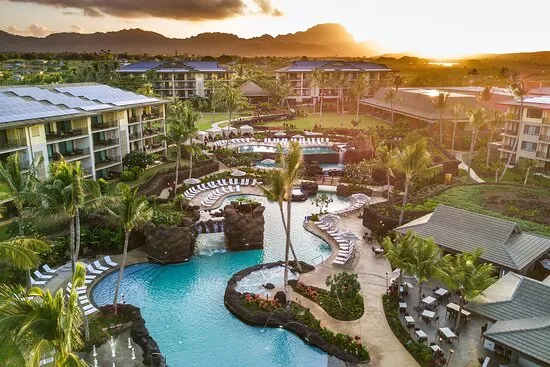
Expansive low-rise or high-density towers utilizing marine-grade structural concrete, salt-resistant exterior coatings, and open-air pavilion layouts.
-
Key Geography: Premier coastal zones including Maui, Hawaii; Laguna Beach, California; and the barrier islands of Florida and South Carolina.
-
Engineering Footprint: Requires subterranean seawalls, advanced sand dune engineering for erosion control, high-efficiency HVAC chillers to manage extreme humidity, and storm-rated impact glass capable of withstanding category-five hurricane winds.
All-Inclusive Historic Wilderness Outposts
Self-contained, master-planned private valleys or preserves featuring a central historic dining lodge surrounded by a network of luxury log cabins and equestrian facilities.
-
Key Geography: The Poconos of Pennsylvania, the Ozarks of Missouri, and the expansive valleys of western Montana and Wyoming.
-
Engineering Footprint: Requires large-scale private water treatment facilities, decentralized greywater networks, miles of unpaved road infrastructure, and specialized security fencing to separate guest areas from working ranch land or wild habitat.
Desert Oasis and Hot-Spring Sanctuaries
Adobe-style or mid-century minimalist structures featuring private courtyards, extensive shade canopies, and deep plunge pools built into arid valley floors.
-
Key Geography: The high deserts of Scottsdale and Sedona, Arizona, and the thermal springs of Southern California.
-
Engineering Footprint: Relies on advanced greywater recycling systems for landscaping, high-performance exterior insulation to handle extreme day-to-night temperature swings, and custom shade structures designed to optimize natural airflow.
Structural and Civil Engineering Performance Profiles
The matrix below compares the structural demands, infrastructure lifespans, and engineering challenges of different resort types:
| Property Classification | Primary Foundation & Framing | System Lifespan Target | Peak Climate Resilience | Top Structural Vulnerability |
| Mountain Lodges | Reinforced concrete footings, heavy mass-timber frames | 40–50 Years (Timber treatment required) | High snow accumulation, low temperature stability | Ice damming along roof lines, pipe freeze ruptures, seismic shifting |
| Coastal Resorts | Deep concrete piles, post-tensioned slab frames | 25–35 Years (High salt exposure) | High wind resistance, tidal surge deflection | Saltwater intrusion, rebar spalling, beach erosion undermining |
| Wilderness Outposts | Shallow stone piers, log-cabin assemblies | 30–40 Years (Moisture monitoring) | Moderate weather flexibility, high land integration | Wildfire perimeter breach, subterranean pest damage, wood rot |
| Desert Sanctuaries | Insulated slab-on-grade concrete, steel-reinforced masonry | 40–50 Years (Low moisture benefit) | High heat tolerance, thermal mass stability | Sudden flash flood erosion, sand blasting damage, UV seal degradation |
Decision Logic for Family Travel Profiles
Selecting an asset template requires matching a family’s specific age breakdown with a resort’s physical layout, safety profile, and activities.
For example, a multi-generational group traveling with both toddlers and elderly relatives should focus on contained coastal or lakeside properties. Flat, paved boardwalk systems and centralized single-building layouts minimize walking distance, eliminate fall hazards, and ensure easy stroller and wheelchair access.
Conversely, families with active teenagers should look toward sprawling mountain lodges or wilderness outposts. These rugged settings offer the space needed for high-energy adventure programs, mountain biking trails, and independent exploration without disturbing guests looking for a quieter experience.
Detailed Real-World Operational Scenarios
Running a premium multi-generational property means managing real-time situations where high occupancy, diverse age groups, and natural events challenge the management team.
Scenario 1: Managing an Extended Power Outage at an Alpine Mountain Estate
During a sold-out Christmas holiday week, a severe ice storm brings down main utility lines, cutting power to a remote mountain resort in the Pacific Northwest housing 800 guests.
-
Operational Constraints: The temperature drops below zero. Guests expect fireplaces, hot food, and heated indoor pools despite the external grid failure.
-
Decision Points: The general manager must decide whether to route all backup generator power to guest suites for space heating, or keep the central kitchens and medical emergency nodes running while leaving individual rooms on limited power.
-
Second-Order Effects: Directing power to the central lodge brings families together into shared spaces, which builds a strong sense of community but strains food services and limits private family downtime.
Scenario 2: Handling a Norovirus Outbreak at a Coastal Kids’ Academy
A highly contagious norovirus strain spreads through the youth camp facility of a premium Florida resort during the busy spring break window.
-
Failure Modes: Rapid transmission across hundreds of families can lead to mass check-outs, severe online review damage, and a sudden shortage of healthy staff.
-
Operational Pivot: The operations team shuts down indoor youth facilities within two hours, switches all dining options to outdoor à la carte services, and deploys specialized cleaning crews to sanitize all public spaces using medical-grade UV sterilizers.
Scenario 3: Mitigating Water Shortages at an Arid Desert Ranch Resort
An extreme multi-year drought triggers strict water rationing rules from a local county board, right before a high-end Arizona desert property kicks off its peak autumn season.
-
Operational Constraints: The resort runs an 18-hole golf course, multiple swimming pools, and extensive water features that define its luxury aesthetic.
-
Failure Modes: Failing to meet water reduction targets can result in massive regulatory fines and public backlash, while draining the pools or letting the golf course brown out ruins the premium guest experience.
Planning, Cost, and Asset Dynamics
The economics of premier family properties require balancing large-scale initial land development with the high maintenance costs that come with heavy, year-round use by multiple generations.
Capital Expenditure and Amenity Realities
Investors often underestimate the ongoing costs of keeping a family-focused resort competitive. Children’s play zones, water slides, sports equipment, and high-traffic family lounges experience rapid wear and tear that standard luxury boutique hotels rarely encounter.
Maintaining a flawless look requires a continuous cycle of updates, heavy-duty cleaning, and regular furniture replacements.
Financial Tiers and Investment Metrics
The table below breaks down estimated construction costs, average daily rates (ADR), and utility needs across three tiers of property scale and luxury:
| Operational Scale Tier | Average Daily Rate (ADR) | Initial CapEx Per Key | Core Utility Infrastructure | Primary Structural Cost Driver |
| Tier 1: Integrated Regional | $400 – $650 | $250,000 – $400,000 | Standard municipal line link, centralized HVAC | High square footage per room, durable family-grade indoor finishes |
| Tier 2: High-End Experiential | $750 – $1,200 | $550,000 – $800,000 | Private substation grid, multi-node septic fields | Complex decentralized layouts, specialized youth academy facilities |
| Tier 3: Ultra-Exclusive Legacy | $1,500 – $3,500+ | $1,200,000 – $2,000,000+ | Off-grid micro-grids, reverse-osmosis water systems | Custom architectural builds, advanced privacy and security infrastructure |
The Realities of Multi-Generational Group Bookings
When planning multi-generational trips, the financial model shifts from single-room rates to total family spend across multiple payment pipelines.
While a family booking a three-bedroom villa creates a predictable baseline of room revenue, their true profitability is driven by how effectively the property upsells high-margin ancillary services.
Systems, Tools, and Support Frameworks
Operating a premium master-planned resort requires a sophisticated mix of facility management software, guest-tracking technology, and robust safety systems.
-
RFID-Enabled Guest Wristbands: Waterproof wearable bands that function as room keys, kid-tracking locators, and cashless payment devices across the property.
-
Predictive Kitchen Management Systems (KMS): Advanced inventory software that analyzes historic booking data to predict family dining trends, reducing food waste across multi-node buffet and fine-dining operations.
-
Decentralized Property Management Systems (PMS): Cloud-based software that coordinates housekeeping, guest requests, and villa maintenance across hundreds of acres via mobile networks.
-
Automated Pool Chemistry Regulation Units: Industrial water-quality sensors that continuously test and adjust chemical levels in high-traffic water parks to maintain safety standards under heavy use.
-
Geofenced Youth Safety Tracking Networks: Encrypted wireless beacons placed throughout the property that alert security teams instantly if a child enrolled in a resort camp leaves a designated safe zone.
-
Multi-Zone Acoustic Noise Buffers: Specialized wall assemblies, acoustic dampening panels, and natural landscape barriers engineered to keep high-energy youth spaces quiet and separate from adult areas.
-
Smart Energy Grid Load Balancers: Centralized electrical controllers that automatically route power away from empty villas during the day to support high-demand activity centers and kitchens.
Risk Landscape and Operational Failure Modes
Vast multi-generational properties face a complex mix of liability, natural, and operational risks that can disrupt business, damage structures, or compromise guest safety.
High-Volume Amenity Accidents and Liability Exposure
Water parks, ziplines, equestrian centers, and ski lifts carry inherent physical risks. A single serious accident resulting from a mechanical issue or poor staff supervision can trigger major lawsuits, high insurance premiums, and negative news coverage that can tarnish a property’s reputation for years.
Youth Academy Staffing Shortages and Ratio Violations
Most states enforce strict adult-to-child ratios for commercial youth programs and camps.
If a resort experiences sudden staff call-outs during a peak holiday weekend and cannot maintain these legal ratios, it may be forced to turn kids away from scheduled camps. This leaves parents without planned childcare, souring their vacation and generating a wave of negative online reviews.
Environmental Degradation and Shoreline/Trail Washouts
Properties that rely on natural features like pristine beaches or mountain trails face constant threats from erosion, mudslides, and extreme weather. A single severe storm can wash out miles of hiking trails or destroy a resort’s beach area, cutting off access to core outdoor activities and requiring expensive, time-consuming restoration work.
Property Governance, Maintenance, and Asset Preservation
Protecting a large-scale hospitality asset requires constant cooperation between civil engineers, local land boards, and corporate facility teams.
Regulatory and Land-Use Compliance
Property operations must navigate several key legal and environmental frameworks:
-
Americans with Disabilities Act (ADA) Accessibility Mandates: Rules requiring all resort amenities—including wilderness trails, beach access points, and multi-level pools—to be fully accessible to guests with mobility challenges without ruining the property’s natural design.
-
Local Watershed and Aquifer Protections: Strict rules governing chemical runoff from golf courses and large pool complexes, requiring properties to build advanced filtration systems to protect local groundwater.
-
State Childcare Licensing and Background Checks: Mandatory screening and certification laws for all staff working in youth camps, requiring regular state audits to maintain operational permits.
Facility Preservation and Seasonal Transition Protocol
To keep decentralized structures in peak condition and prevent premature wear from weather and heavy use, engineering teams follow a strict maintenance schedule:
Pre-Peak Season Inspection
-
Pressure-test and clean all high-volume water park filtration systems, replacing worn valves to handle heavy summer crowds.
-
Audit all villa door seals, HVAC filters, and safety glass panels to ensure guest comfort and energy efficiency before peak check-ins begin.
Mid-Season Quality Audit
-
Inspect high-traffic trail systems and wooden boardwalks for loose boards, erosion damage, or trip hazards.
-
Test water quality across all resort features twice daily, ensuring chemical balances meet or exceed local health department regulations.
Post-Peak Winterization/Stabilization
-
Drain and insulate outdoor water networks and exposed pipes at northern properties to prevent freeze-and-burst damage over the winter.
-
Apply protective marine-grade sealants to exterior wood decks and metal railings at coastal resorts to prevent rot and rust during the damp off-season.
Performance Measurement and Quality Evaluation
Leading vs. Lagging Indicators
Resort management tracks two primary performance categories:
-
Leading Indicators: Real-time data points that warn operations of potential issues before they damage the guest experience. Examples include daily guest-to-lifeguard staffing ratios, water filtration flow rates, and average wait times for internal resort shuttle vans.
-
Lagging Indicators: Historical metrics used to evaluate long-term financial and operational success.
Common Misconceptions and Industry Myths
Myth 1: True luxury properties should avoid installing large-scale water features or slides
Correction: Modern family hospitality has reinvented water amenities. High-end resorts build beautifully landscaped lazy rivers and eco-friendly splash pads using natural stone and hidden lighting.
Myth 2: High occupancy rates during summer vacation guarantee a profitable year
Correction: High summer occupancy can mask thin profit margins if a resort suffers from low off-season bookings, high fixed property taxes, and the expensive logistics of maintaining empty villas during winter closures.
Myth 3: A standard hotel kids’ club satisfies the expectations of modern luxury travelers
Correction: Today’s premium travelers expect more than a room with coloring books and video games.
Myth 4: Sprawling, decentralized villa layouts are always better than centralized hotel buildings
Correction: While spread-out villas offer excellent privacy, they significantly increase operational costs. Housekeeping teams, maintenance workers, and room service deliveries take longer to reach rooms, requiring a larger fleet of utility vehicles and more staff.
Myth 5: All-inclusive pricing models degrade the exclusivity and image of a premium resort
Correction: When managed correctly, high-end all-inclusive packages remove the stress of constant credit card charges for families. This approach simplifies the guest experience and drives higher upfront revenue that can be invested back into top-tier amenities.
Myth 6: Family-focused resorts face lower interior repair costs than standard adult hotels
Correction: Properties welcoming multiple generations experience much faster wear and tear. Heavy strollers scratch corridors, kids spill drinks on custom fabrics, and active youth damage walls, requiring larger ongoing maintenance budgets to keep spaces looking flawless.
Ethical, Environmental, and Community Considerations
The construction and expansion of master-planned family properties across scenic rural landscapes can place a heavy burden on local communities and ecosystems.
To build healthy, long-term relationships, properties must integrate carefully into their surrounding environments. This means planting native, drought-tolerant vegetation, investing in advanced on-site water recycling systems, and funding local conservation groups.
Future Outlook and Industry Synthesis
The premium multi-generational resort sector has matured into an essential, highly disciplined branch of the American hospitality industry. These expansive properties provide an invaluable service, giving families a space to connect, share experiences, and build lasting memories across generations. However, maintaining this level of hospitality requires a continuous commitment to smart engineering, strict cost management, and careful environmental design. Keeping these complex, multi-acre ecosystems running smoothly demands constant hard work behind the scenes.
As the market continues to evolve, long-term success will belong to developers and management teams who prioritize durable infrastructure and sustainable environmental practices.